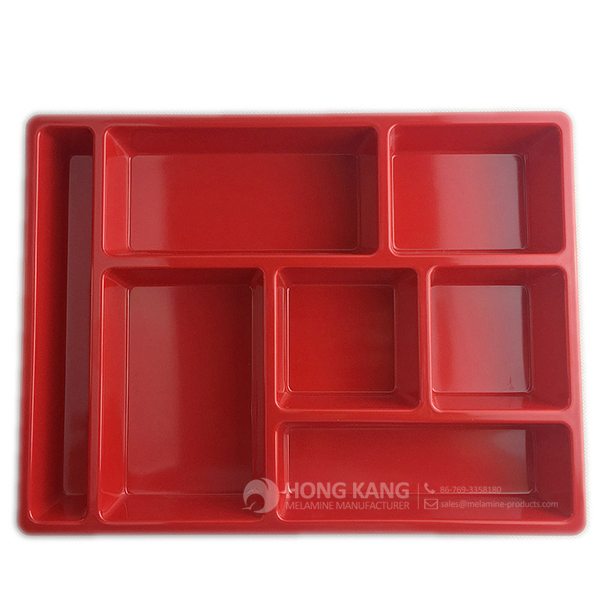
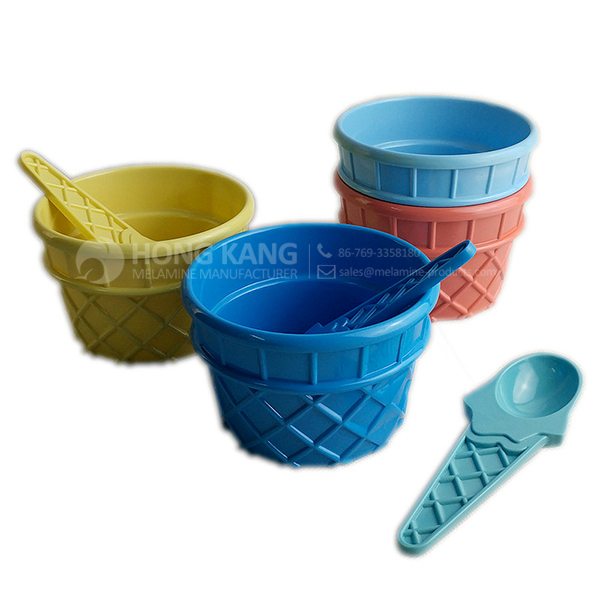
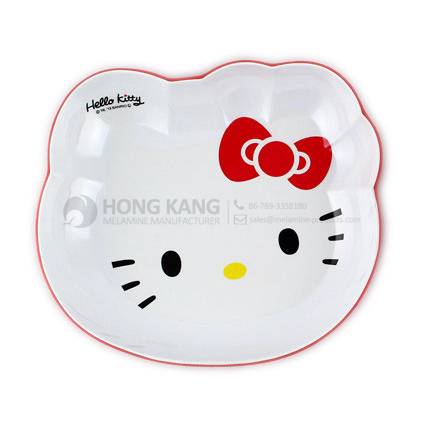
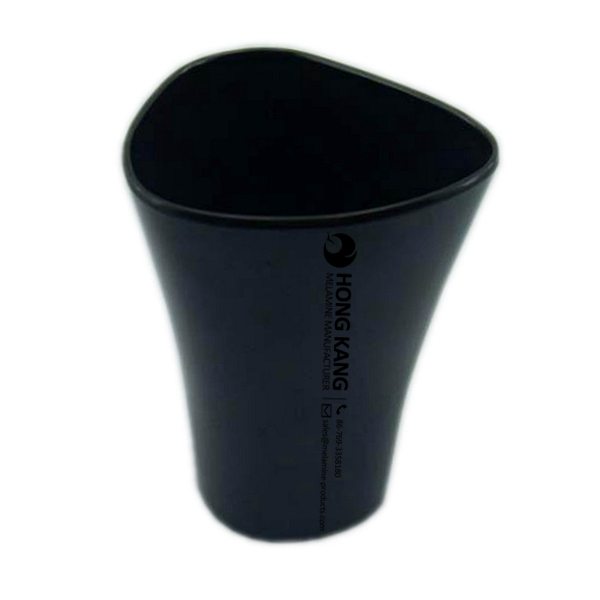
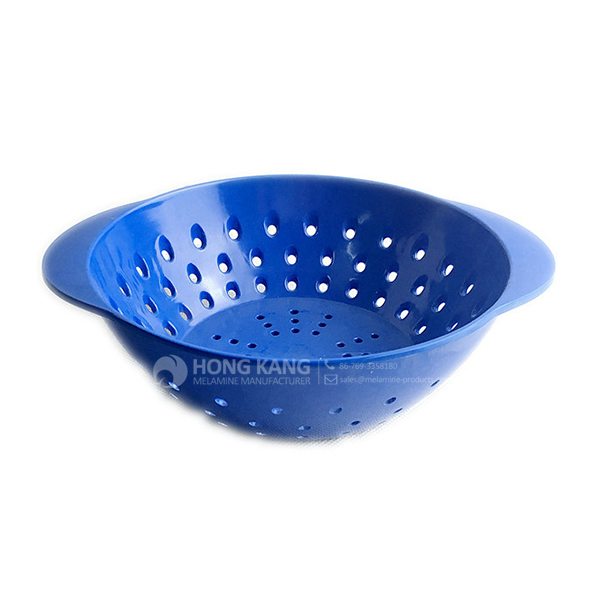
Factory wholesale melamine measuring spoon Supply to UK
Factory wholesale melamine measuring spoon Supply to UK Detail:
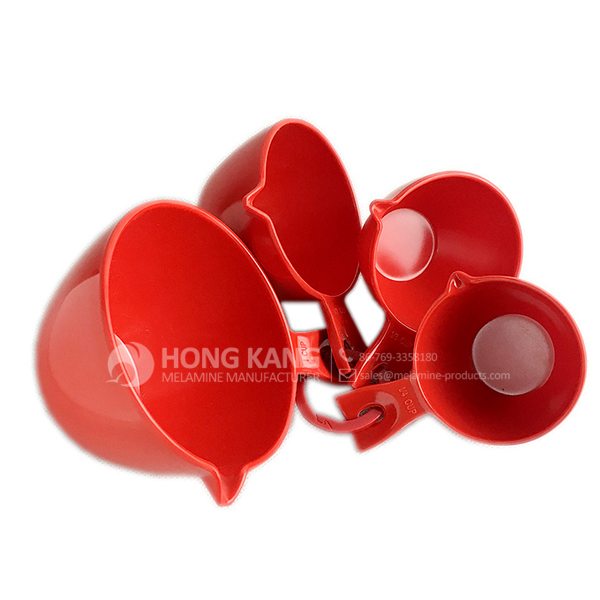
| Specification | |
| Item Name | Melamine Kids Cutlery Set |
| Item No. | FW093 |
| Shape | Spoon |
| Body Color | White |
| Decal Color | 4 colors print (if need) |
| Finish | Glossy |
| Style | Fashion |
| Motif Design | Customized |
| Shape Design | OEM/ODM |
| Test Standard | FDA,PROP 65,EN71,LFGB etc. by SGS or ITS |
| Packaging | 8pcs/box,64pcs/carton |
| Dimensions | |
| Length | N/A |
| Width | N/A |
| Height | N/A |
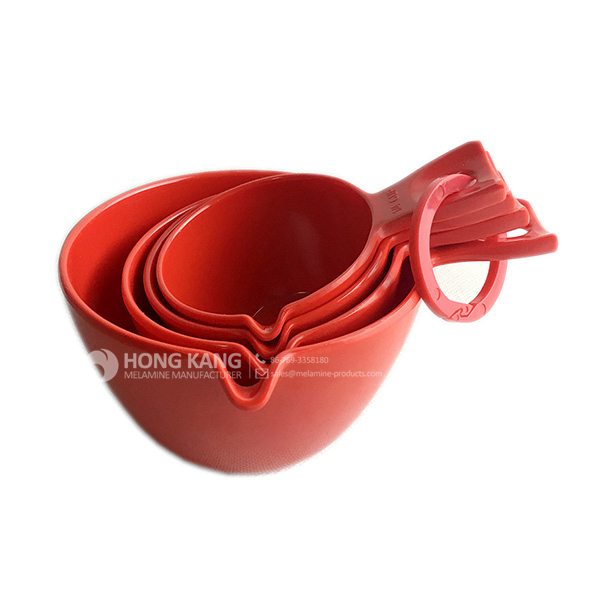
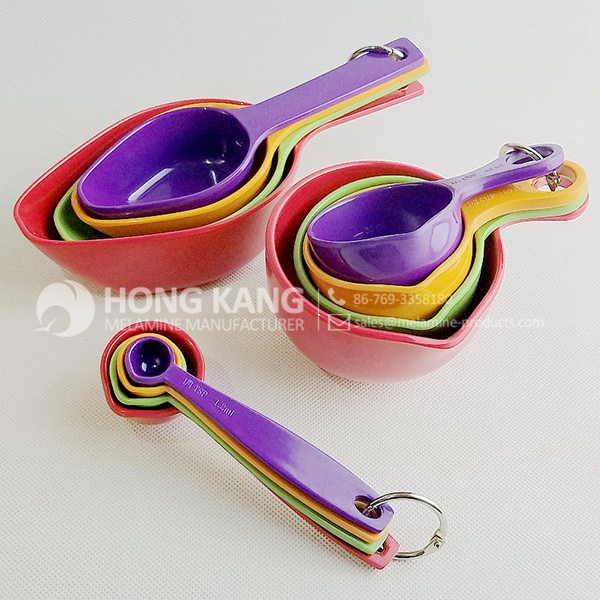
| Capacity | 1 CUP, 1/2 CUP , 1/3 CUP , 1/4 CUP |
| Material | |
| Body Material | 100%melamine |
| Decal Material (if need) | 4 colors print (CMYK), or spot color printing, RoHS certificate |
| Imprint (if need) | Seiko ink type 1000 or other type, RoHS certificate |
| Accessories Information | |
| Lid included | No |
| Other | No |
| Weights | |
| Net Weight (kg) | 10.3 |
| Shipping Weight (kg) | 11.5 |
Product detail pictures:

Related Product Guide:
Choosing The Best Dog Bowl and Feeder for Your Dog
Top Ten Power Toothbrushes
Our intention is usually to satisfy our buyers by offering golden provider, great rate and good quality for Factory wholesale melamine measuring spoon Supply to UK, The product will supply to all over the world, such as: Bogota , Poland , Thailand , We warmly welcome your patronage and will serve our clients both at home and abroad with products of superior quality and excellent service geared to the trend of further development as always. We believe you will benefit from our professionalism soon.
FAQ: 1.Q: Where is your factory located? How can I visit there? A: Our factory is located in Guangdong province, China. Warmly welcome to visit us! 2.Q: What is the material of your products? A: The material is melamine. 3.Q: How can I get some samples? A: We can send the samples by Express/DHL/FedEx/UPS etc. 4.Q: How does your company do regarding quality control? A: We have a very strict QC system. Our inspectors have been closely monitoring the production process from the selection of raw materials to the final step of the finished products. 5.Q: Can you print our logo on the product & packing? A: Yes, We can print your logo on our products. 
| * Do Not Touch On Fire Directly | |
|---|---|
| * Do Not Washing By Steelwire Ball | |
| * Non-Microwave Ovens | |
| * Dishwasher Safe |
Crowdz is a global commerce platform with a local perspective. We believe in supporting the growth of local communities through commerce.
Our purpose is to create a community around commerce by building relationships not only between mobile buyers and local businesses but also from peer-to-peer.
Through Crowdz’s mobile commerce application, we are able to provide the best value on local products and services by leveraging the power of crowd buying.
The platform works by pooling together the community and developing micro economies of scale. [The more people purchase the same products as you, the more money is credited back to you. It’s that simple.]
Crowdz is the only mobile commerce platform that empowers both local residents and local businesses.
We do this through:
- Local Leaderz: A program that empowers local residents by giving them a percentage of sales from every small-medium local business that they bring to the Crowdz Marketplace.
- Crowd Buying: Opertates on the concept of economies of scale. The more people purchase a given product or service the more money you get back in your pocket.
- Rewardz: The money you get back from the power of crowd buying can be used either to donate to local charities of your choice or into future purchases – just like credit credit reward points
Some testimonies from users:
“New application that allows individuals to buy through other individuals to benefit and get a better deal”
“It is a win-win situation, we increase revenue to sellers and decrease cost of sales to buyers”
The real benefits, however, are the intangible ones we all love, like a truly personal shopping experience and the satisfaction of giving back to your community. Now imagine, all of this goodness right in the palm of your hand…that’s where Crowdz comes in.
Crowdz is a mobile commerce app that allows you to shop from local sellers in communities around the world, all from the convenience of your mobile phone.
Watch more Learn Woodworking videos: http://www.howcast.com/videos/500378-Joinery-Basics-Woodworking
Joinery is the art and science of how you join two pieces of wood together. In woodworking, that’s actually not as simple as it sounds. When you’re joining two pieces of wood, you have to consider a couple factors. One is, wood is like a sponge and when it gets more humid out, it expands. During the winter, when it’s less humid, it contracts, and that can cause shifts in how wood is connected in pieces of furniture.
The other most important thing that really effects joinery is the nature of wood it’s self. If you look at a piece of wood like this, the way to understand it is think of it like a packet of straws with all the open ends here, and here. And these are like long fibers of wood, here. So, when you go to join a piece of wood on the end, like this, whether you’re using glue or screws and nails, this end grain is a very weak part of the wood. It doesn’t hold fasteners well, and it doesn’t hold glue well because it soaks down into those open ends. So, woodworking joinery has been designed to get around the problem of end-grain, for the most part. That’s where all these joints come from. Let’s look at the four different applications of wood joinery, to begin with. This will give an overview.
The first, and most obvious kind, is joining pieces of wood edge to edge, like this. This is where you’re making panels of wood, like on a tabletop, for example. Another way to join wood is to join the end to the face. So, here’s the face and you’re joining an end. This kind of joinery, you’ll see everything from nails and screws, all the way up to really fancy, dove-tail joinery. Another type of joinery is when you’re joining edge to face, like this. So, you’ve got one edge, and a face, but no end-grain involved here. So, lots of glue area, which creates different types of joints along here, and there’s a variety of joints, also, to fasten wood together, this way.
The last way that you can join wood is variation on the end-to-face, it’s called end-in-the-middle-of-wood come to face, here. I guess you’d call this a shelf, or housing type joint. Usually, you’ll see a data or groove for things like this, or a sliding dovetail. Let’s look at the edge-to-face joint. One really common way to do that, is with miters. A miter joint is where both pieces of wood are cut at 45 degrees, and they join in a 90 degree corner. A pretty nice joint, and it can also be reinforced with splines, in this way. Here’s a plain miter joint, both of these picture frames. That’s a pretty common application, and for boxes and cabinets as well.
Another common edge-to-face joint, is a box joint. A box joint is just a series of tabs and slots that connect together. This is also called a finger joint. So, the fourth type of joint is where you’re joining an edge to an end, in this way. This is a very common joint, that’s often made with a mortise and tenon, as an example. For instance, this could be a rail of a table, and this could be an apron. So, those are the four different types. Mortise and tenon is an example of that end-to-edge joint, where you’ve got a mortise in the edge of one, and you’ve got a tenon in the end of the other piece.
In all of these instances, what we’re trying to do, and the whole basis of joinery, is trying to create as much long-grain surface, and as little end-grain surface as possible. In the mortise and tenon, here, we’ve got these wide faces which are all long-grain, and they’re meeting up with long-grain inside. So, a nice, strong glue joint for that one. You can also use methods, such as biscuits, to span these. Biscuits strengthen the end-grain of one board into the face of the other, and they join up, like that.
So, all of these methods are used to join the wood, through the strong joint, without the use of fasteners, and that’s in traditional woodworking. You’re generally trying to make joints that have mechanical strength, and a lot of glue surface area that can hold the wood, without having to use fasteners.
Customer service staff and sales man are very patience and they all good at English, product's arrival is also very timely, a good supplier.